Fluoride is one of the most effective tools available for preventing tooth decay. You may recognize it as an ingredient in toothpaste or as a treatment offered during a dental visit—but what exactly does fluoride do, and why is it so important for your oral health?
At Golden State Dentistry, we believe prevention is always preferable to treating dental problems after they develop. Fluoride helps protect and strengthen teeth at every age, making it an important part of a complete preventive-care routine.
What Is Fluoride?
Fluoride is a naturally occurring mineral found in water, soil, rocks, and certain foods. It is also added to many toothpastes and some community water supplies because of its ability to help prevent cavities.
Throughout the day, the enamel covering your teeth is exposed to acids produced by plaque bacteria and sugars in the foods and drinks you consume. These acids remove minerals from the enamel in a process called demineralization.
Saliva naturally helps return minerals to your teeth, and fluoride makes this repair process—known as remineralization—more effective.
How Does Fluoride Protect Your Teeth?
Fluoride supports dental health in several important ways.
It Strengthens Tooth Enamel
When fluoride becomes incorporated into the enamel, it makes the tooth surface more resistant to acid attacks. Stronger enamel is less likely to break down and develop decay.
It Helps Repair Early Tooth Decay
Before a cavity becomes a physical hole in the tooth, the enamel begins losing minerals. Fluoride can support remineralization during this early stage and may help slow or reverse the damage before a filling is needed.
It Helps Reduce Cavity-Causing Activity
Fluoride can also interfere with the activity of bacteria responsible for producing acids in dental plaque. This creates a less favorable environment for tooth decay to develop.
Who Benefits from Fluoride?
Fluoride is not only for children. People of all ages can benefit from regular fluoride exposure.
Children need fluoride as their teeth develop and emerge, helping protect them during years when brushing habits and food choices may not always be ideal. Adults continue to benefit because tooth decay can occur at any age—especially around older fillings, crowns, exposed root surfaces, or areas that are difficult to clean.
Professional fluoride treatments may be particularly helpful for patients who:
-
Develop cavities frequently
-
Have dry mouth caused by medications or health conditions
-
Have exposed tooth roots or gum recession
-
Wear braces or other orthodontic appliances
-
Have crowns, bridges, or extensive dental work
-
Have difficulty brushing and flossing effectively
-
Frequently consume sugary or acidic foods and beverages
-
Are undergoing treatment that increases their risk of tooth decay
Your dentist can evaluate your individual risk and recommend the type and frequency of fluoride treatment that is most appropriate for you.
Common Sources of Fluoride
Most people receive fluoride through a combination of everyday and professional sources.
Fluoride Toothpaste
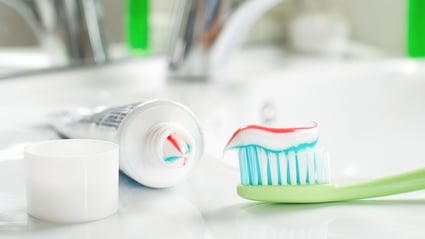
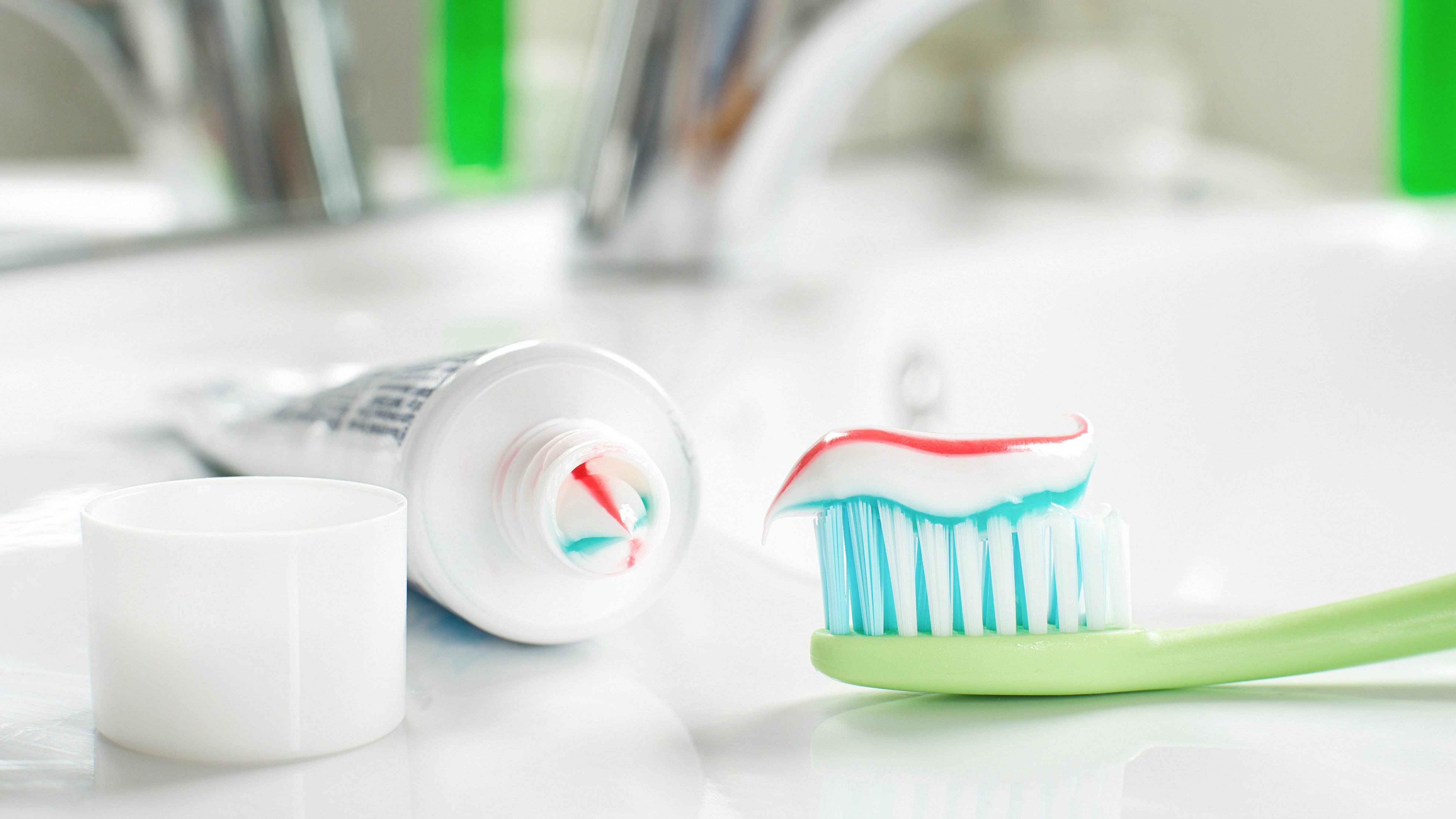
Brushing twice daily with fluoride toothpaste is one of the easiest and most effective ways to protect your teeth. Adults and children should spit out toothpaste after brushing and avoid swallowing it.
Parents should supervise young children and use an age-appropriate amount of toothpaste as recommended by their dentist. Toothpastes carrying the ADA Seal and claiming cavity protection must contain fluoride, according to the American Dental Association.
Fluoridated Drinking Water
Many communities adjust the natural fluoride level in public water supplies to help prevent tooth decay. This provides frequent, low-level fluoride exposure and benefits people regardless of age, income, or access to regular dental care.
Community water fluoridation has been used in the United States for more than 75 years and is supported by the Centers for Disease Control and Prevention as a safe and effective way to reduce tooth decay.
Professional Fluoride Treatments
Fluoride varnish, gel, or foam can be applied directly to the teeth during a dental visit. These treatments contain a higher fluoride concentration than over-the-counter products and are applied under professional supervision.
The process is quick and comfortable and may be recommended at regular intervals for patients at increased risk of cavities.
Prescription Fluoride Products
Some patients may benefit from prescription-strength toothpaste, gels, or rinses for use at home. These products should be used only as directed by a dentist.
Is Fluoride Safe?
Fluoride is considered safe and effective when used in recommended amounts. As with many beneficial substances, the correct amount matters.
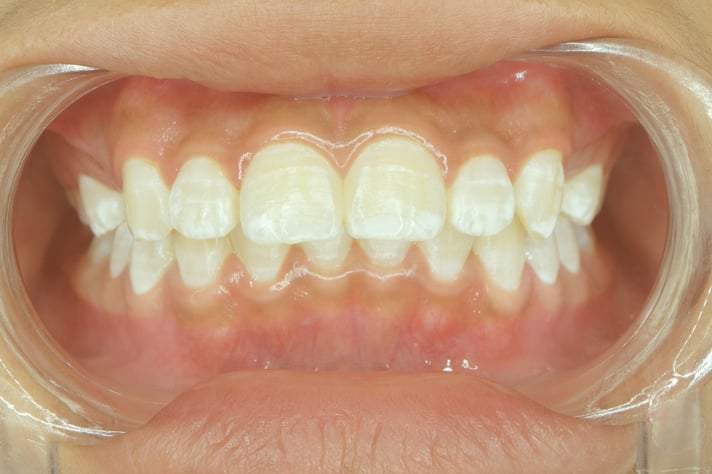
Using too much fluoride while permanent teeth are developing can cause dental fluorosis, which most often appears as faint white markings on the enamel.
Parents can help prevent excessive ingestion by supervising children while they brush, using only the recommended amount of toothpaste, and keeping fluoride products out of reach.
Fluoride supplements should not be started without professional guidance. A dentist or physician should first consider the child’s age, cavity risk, and fluoride level in their primary drinking water.
If you have questions about fluoride in your toothpaste, drinking water, or dental treatment, our team can provide recommendations based on your individual needs.
Fluoride Works Best as Part of a Complete Routine
Fluoride is a powerful preventive tool, but it does not replace good oral hygiene or regular dental care. For the best protection:
-
Brush twice a day with fluoride toothpaste
-
Floss or use another interdental cleaner daily
-
Limit frequent snacking and sugary or acidic beverages
-
Drink water throughout the day
-
Schedule regular dental examinations and professional cleanings
-
Ask your dentist whether professional or prescription fluoride would benefit you
Protect Your Teeth with Preventive Dental Care
Small preventive steps can make a meaningful difference in the long-term health of your smile. Fluoride helps strengthen enamel, repair the earliest stages of decay, and reduce the likelihood of future cavities—but every patient’s needs are different.
Call Golden State Dentistry at (925) 705-7093 to schedule an appointment and learn whether a professional fluoride treatment or personalized home-care product is right for you.


.jpg?width=712&name=GSD-Scalloped-Tongue-Causes-and-Treatment-Blog-01.27.2210.21.21%20(1).jpg)