
Your mouth can reveal more than whether you have a cavity. Changes in your tongue, teeth, gums, saliva, or sense of taste may be your body’s way of drawing attention to irritation, infection, habits such as clenching, or a medical condition that deserves evaluation.
Many unusual dental symptoms are harmless and temporary. Others should be examined rather than diagnosed from an online photo or symptom list. Here are several strange oral symptoms you may notice—and some of the possible reasons behind them.
1. Scalloped or Wavy Edges on Your Tongue
A scalloped tongue has wavy indentations along its sides where the tongue presses against the teeth. The ridges themselves are usually not dangerous, but they may suggest that the tongue is enlarged, swollen, or repeatedly pushed against the teeth.
Possible contributors include:
- Clenching or grinding your teeth
- Dehydration or dry mouth
- Tongue swelling or an enlarged tongue
- Certain nutritional deficiencies or medical conditions
- Crowding or limited space in the mouth
- Sleep-disordered breathing, including possible obstructive sleep apnea
A scalloped tongue alone does not diagnose sleep apnea. However, if it occurs along with loud snoring, waking up gasping, morning headaches, or significant daytime sleepiness, speak with your dentist and physician about whether a sleep evaluation is appropriate.
2. White Spots on Your Teeth
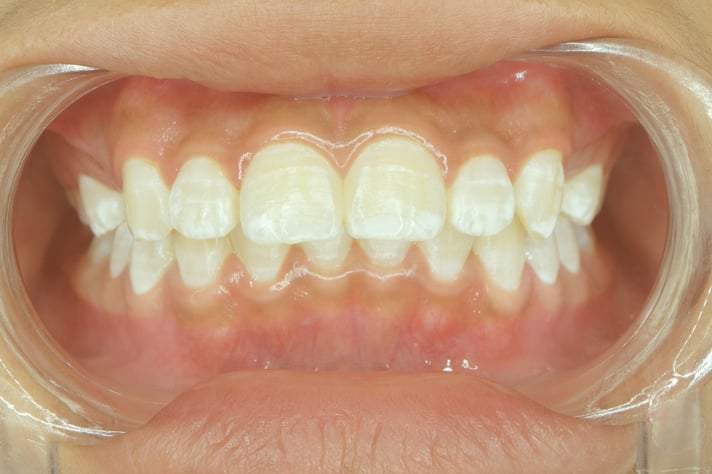
Chalky or opaque white areas on tooth enamel can have several causes. A new white spot near the gumline or around an orthodontic bracket may be an early sign of demineralization—the first stage of tooth decay before a physical hole develops.
White spots may also result from:
- Fluorosis that developed while the permanent teeth were forming
- Enamel hypoplasia or hypomineralization
- Plaque accumulation, especially during orthodontic treatment
- Past trauma or disruption during tooth development
- Natural variation in enamel appearance
Because the appropriate treatment depends on the cause, whitening the teeth without an evaluation may not solve the problem and can sometimes make the color difference more noticeable. Depending on the diagnosis, options may include improved home care, fluoride, remineralizing treatment, resin infiltration, microabrasion, bonding, or cosmetic treatment.
3. A Metallic Taste in Your Mouth
A lingering metallic, bitter, or otherwise distorted taste is called dysgeusia. Sometimes the source is dental—for example, bleeding gums can create a blood-like or metallic flavor. However, taste changes can also come from outside the mouth.
Possible explanations include:
- Gingivitis, periodontal disease, or another oral infection
- A recent dental procedure
- Dry mouth
- Certain medications, vitamins, or mineral supplements
- A cold, sinus infection, or another condition affecting smell
- Acid reflux
- Hormonal changes during pregnancy
- Burning mouth syndrome or another taste disorder
Do not discontinue a prescribed medication on your own. If the taste began after starting a medication or supplement, discuss it with the prescribing clinician. A metallic taste that persists, has no clear explanation, or occurs with other symptoms deserves a dental or medical evaluation.
4. A Burning or Tingling Tongue When Nothing Looks Wrong
Some people experience a burning, scalding, tingling, or numb sensation affecting the tongue, lips, palate, or entire mouth—even when the tissues appear normal. This may be burning mouth syndrome, but that diagnosis is made only after other possible causes have been considered.
Similar sensations can be associated with dry mouth, an oral yeast infection, acid reflux, teeth grinding, allergies, nutritional deficiencies, hormonal or metabolic conditions, and certain medications.
Because there is no single test for burning mouth syndrome, your dentist or physician may review your health history and recommend additional evaluation.
5. A Tongue That Looks Like a Map
Smooth red patches surrounded by pale or white borders can create a map-like pattern on the tongue. This is commonly called geographic tongue. The patches may change location or appearance over time, which can seem alarming.
Geographic tongue is generally benign and is not contagious. Some people have no discomfort, while others notice sensitivity to spicy, acidic, or very hot foods. Still, a new or persistent tongue change should be evaluated so it is not confused with another condition.
6. A Dark, Furry-Looking Tongue
A brown, black, yellow, or hairy-looking coating can occur when the tiny projections on the tongue become elongated and trap bacteria, debris, tobacco, or food pigments. Despite its appearance, “black hairy tongue” is usually temporary and harmless.
It may be associated with:
- Tobacco use
- Dry mouth
- Inadequate tongue cleaning
- Certain medications
- Recent antibiotic use
- Frequent consumption of coffee or tea
Gentle tongue cleaning, good hydration, and addressing the contributing habit often help. Do not aggressively scrape or injure your tongue. See a dentist if the coating persists, hurts, bleeds, or does not improve.
7. White Patches Inside Your Mouth
White patches on the tongue, cheeks, gums, or palate are different from white spots within tooth enamel.
A creamy coating that wipes away and leaves a red or bleeding surface may be oral thrush, a fungal infection. White areas that do not rub off can have other causes, including chronic irritation, inflammatory conditions, or precancerous tissue changes.
Any unexplained white or red patch that persists, recurs, becomes firm, or is accompanied by pain should be examined. Avoid attempting to scrape it off or treating it with leftover medication before receiving a diagnosis.
8. Gums That Bleed During Brushing or Flossing
Occasional bleeding after flossing too forcefully can happen, but gums that bleed repeatedly should not be considered normal.
Redness, swelling, tenderness, bad breath, or bleeding commonly occur with gingivitis. Without treatment, gum inflammation can progress to periodontal disease and affect the tissues and bone supporting the teeth.
Bleeding may also be influenced by medications or health conditions. Continue cleaning gently rather than avoiding the area, and arrange a dental evaluation to determine the cause.
9. A Constantly Dry or Sticky Mouth
Persistent dry mouth, known as xerostomia, is more than an inconvenience. Saliva helps wash away food, control harmful microorganisms, neutralize acids, and protect enamel. Too little saliva can increase your risk of cavities, oral infections, soreness, and difficulty chewing, swallowing, or speaking.
Dry mouth is commonly associated with:
- Certain medications
- Dehydration
- Mouth breathing
- Tobacco or cannabis use
- Medical conditions
- Head or neck radiation treatment
Dry mouth is not simply an unavoidable part of getting older. Frequent sips of water and sugar-free gum may provide temporary relief, but persistent dryness should be evaluated so the underlying cause and cavity risk can be addressed.
10. Electric-Shock Tooth or Facial Pain
Brief, intense, electric-shock-like pain in the teeth, jaw, gums, or face can feel like a severe toothache—even when a dental X-ray does not reveal an obvious problem.
Dental decay, a cracked tooth, or an inflamed nerve must first be ruled out, but some facial pain originates from nerves rather than teeth. Trigeminal neuralgia, for example, affects a nerve responsible for sensation in the face and mouth.
Because dental and nerve pain can feel similar, a careful evaluation is important before irreversible dental treatment is performed.
When Should You Seek Care Quickly?
Contact your Walnut Creek dentist or healthcare professional promptly if you notice:
- A mouth sore, lump, or red or white patch that does not heal within about two weeks
- Unexplained bleeding, numbness, or persistent pain
- Facial or jaw swelling, fever, pus, or a foul taste that may indicate infection
- Difficulty opening your mouth, chewing, speaking, or swallowing
- A loose permanent tooth
- A sudden or unexplained change in taste that persists
Seek emergency care for rapidly increasing swelling of the tongue, lips, mouth, face, or neck—especially when accompanied by trouble breathing or swallowing. Significant facial swelling with fever or feeling seriously ill also requires urgent attention.
Your Mouth Is Worth Listening To
An unusual symptom does not automatically mean something is seriously wrong, but changes that persist should not be ignored. A dental examination can often determine whether the issue begins with a tooth, the gums, an oral habit, or another part of the body—and whether a referral to a physician or specialist is appropriate.
If something in your mouth looks, tastes, or feels unusual, call Golden State Dentistry at (925) 705-7093 to schedule an evaluation. We can help you understand what you are seeing and recommend the appropriate next step.
This article is intended for general education and is not a diagnosis or substitute for individualized dental or medical care.


.jpg?width=712&name=GSD-Scalloped-Tongue-Causes-and-Treatment-Blog-01.27.2210.21.21%20(1).jpg)